
Health authorities stress that there is no immediate cause for panic, but they emphasize the importance of genomic surveillance, early detection, and rapid containment to prevent wider spread.
This article provides a complete 2026 update on the new mpox strain, including symptoms, transmission, global case trends, and WHO risk assessment.
What Is the New Recombinant Mpox Strain?
According to WHO scientists, the newly detected virus contains genetic material from two known mpox clades — Clade Ib and Clade IIb.
This process, called viral recombination, happens naturally when:
- Two related viruses infect the same individual
- Their genetic material mixes
- A new hybrid variant emerges
Key confirmed findings
- The UK case was identified in December 2025 after travel to South-East Asia.
- The India case showed symptoms in September 2025 following travel to the Arabian Peninsula.
- Genome sequencing confirmed both patients carried the same recombinant strain.
- The Indian infection is currently the earliest known detection worldwide.
- Neither patient developed severe illness, and no secondary transmission was found during contact tracing.
This suggests the strain does not currently show signs of higher severity or spread, though monitoring continues.
Global Mpox Situation in 2026
WHO’s latest global surveillance data (January 2026) shows mpox still circulating in multiple regions, particularly Africa.
Recent statistics
- 31 countries reported 1,040 new confirmed cases in December 2025.
- 6 deaths were recorded (case fatality ratio: 0.6%).
- 78% of cases occurred in the African region.
- Active transmission continues in 15 African countries.
Countries reporting the highest recent cases
- Democratic Republic of the Congo
- Guinea
- Madagascar
- Liberia
- Ghana
WHO confirms that all known mpox clades continue circulating globally, meaning ongoing vigilance remains essential.
What Is Mpox?
Mpox (previously called monkeypox) is a viral infection related to smallpox.
It spreads mainly through:
- Close physical or skin-to-skin contact
- Contact with contaminated objects or surfaces
- Respiratory droplets during prolonged close interaction
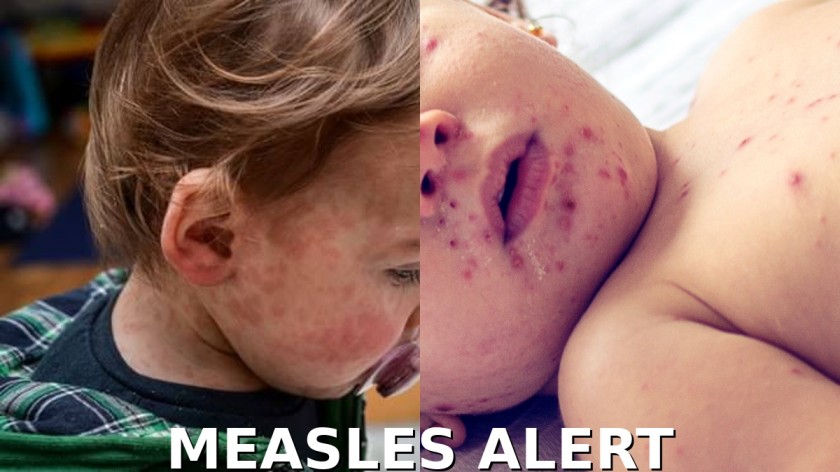
Most infections cause flu-like illness followed by a distinctive rash.
Symptoms of Mpox
Common symptoms
- Skin rash, ulcers, or blisters
- Fever
- Swollen lymph nodes
- Chills
- Headache
- Muscle aches
- Fatigue
Less typical patterns
Some people may:
- Develop only a rash
- Experience flu symptoms before rash appears
- Rarely show no rash at all
Most cases are mild and recover naturally, but severity depends on:
- Virus clade
- Immune health
- Access to medical care
Types of Mpox: Clade I vs Clade II
Mpox viruses are divided into two primary clades.
Clade I
- Found mainly in Central Africa
- Causes more severe illness
- Higher fatality rate
Clade II
- Found in East Africa
- Responsible for the 2022 global outbreak
- Usually less severe
The new recombinant strain combines features of Clade Ib and Clade IIb, which is why scientists are monitoring it closely.
WHO Risk Assessment: Should the Public Be Worried?
WHO’s current evaluation states:
- Global risk level: Moderate
- Risk to general population: Low
Higher-risk groups
- Men who have sex with men with new or multiple partners
- Sex workers
- Individuals with multiple casual partners
Even so, WHO stresses that early detection and rapid containment are critical to prevent community transmission.
Why Genomic Surveillance Matters
Genome sequencing is one of the most powerful tools in modern outbreak control.
It helps scientists:
- Detect new variants early
- Track how viruses spread
- Identify changes in severity or transmissibility
- Guide vaccines, treatments, and public health policy
WHO notes that only two recombinant cases are known, so it is too early to draw conclusions about the new strain’s danger.
How to Protect Yourself From Mpox
Practical prevention tips
✔️ Avoid close contact with infected individuals
✔️ Wash hands regularly with soap or sanitizer
✔️ Do not share personal items like towels or bedding
✔️ Seek medical advice quickly if symptoms appear
✔️ Follow local public health guidance
Early awareness remains the best protection.
Key Takeaways (2026 Update)
- WHO confirmed two cases of a new recombinant mpox strain in India and the UK.
- No severe illness or secondary transmission detected.
- Global mpox circulation continues, especially in Africa.
- Overall public risk remains low, but monitoring is essential.
- Genomic surveillance will determine whether the new strain poses future concern.