
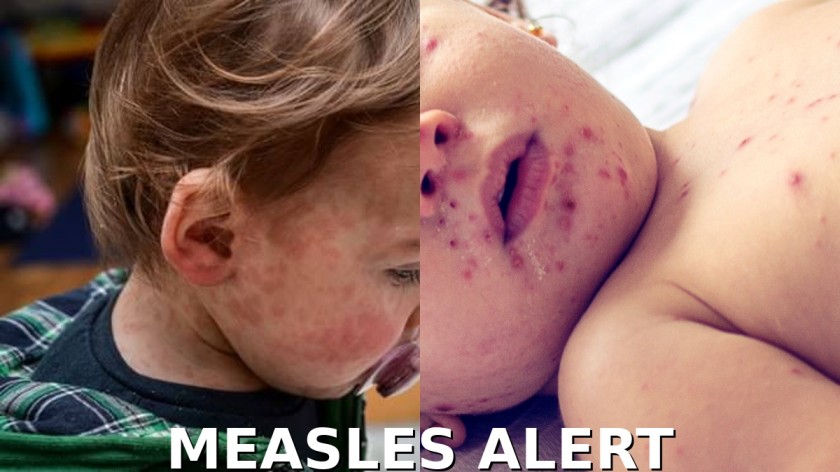
Measles: How Does It Spread and How Can I Protect My Child?
Measles is a highly contagious viral infection that mainly affects young children, but it can occur at any age. Despite being preventable through vaccination, measles continues to cause outbreaks in different parts of the world. Understanding how measles spreads and learning the best ways to protect your child is essential for every parent and caregiver.
What Is Measles?
Measles is caused by a virus that infects the respiratory system and then spreads throughout the body. It is known for its red skin rash, fever, cough, runny nose, and watery eyes. While many children recover fully, measles can sometimes lead to serious complications such as pneumonia, brain inflammation, and even death—especially in infants and children with weak immune systems.
Because measles spreads so easily, even a single infected person can quickly transmit the virus to many others in schools, homes, or public places.
How Does Measles Spread?
Measles spreads through respiratory droplets when an infected person:
- Coughs
- Sneezes
- Talks
- Breathes in close contact with others
The virus can remain alive in the air or on surfaces for up to two hours. This means a child can catch measles simply by being in the same room where an infected person was present earlier.
Key Facts About Transmission
- Measles is one of the most contagious diseases in the world.
- Around 9 out of 10 unvaccinated people exposed to the virus will become infected.
- A person can spread measles before the rash appears, making early detection difficult.
Because of this high transmission rate, vaccination and quick isolation are critical to stopping outbreaks.
Common Symptoms of Measles
Symptoms usually appear 7 to 14 days after exposure. The illness often develops in stages.
Early Symptoms
- High fever
- Dry cough
- Runny nose
- Red, watery eyes
- Tiny white spots inside the mouth (Koplik spots)
Rash Stage
After a few days, a red rash appears, usually starting on the face and spreading down the body. The fever may rise even higher during this time.
When to Seek Medical Help
Contact a healthcare professional immediately if your child:
- Has trouble breathing
- Shows signs of dehydration
- Experiences seizures
- Has a very high or persistent fever
Early medical care can prevent serious complications.
Why Measles Can Be Dangerous for Children
Many parents think measles is just a mild childhood illness, but this is not always true. Possible complications include:
- Ear infections, which may lead to hearing loss
- Pneumonia, a major cause of measles-related deaths
- Encephalitis (brain swelling), which can cause permanent damage
- Severe dehydration from diarrhea and fever
Children under five years old and those who are malnourished or immunocompromised face the highest risk of severe illness.
The Most Effective Protection: Vaccination
Vaccination is the safest and most effective way to protect your child from measles.
Measles Vaccine Schedule
Most countries recommend the MMR vaccine (measles, mumps, rubella):
- First dose: around 9–12 months of age (varies by country)
- Second dose: around 15–18 months or before school entry
Two doses provide about 97% protection against measles.
Is the Vaccine Safe?
Yes. The measles vaccine has been used for decades and is extensively tested for safety and effectiveness. Mild side effects like slight fever or soreness at the injection site may occur, but serious reactions are extremely rare.
Health experts worldwide strongly recommend routine childhood vaccination to prevent outbreaks and protect communities.
How to Protect Your Child Beyond Vaccination
While vaccination is the best defense, additional precautions can further reduce risk.
1. Avoid Contact With Infected Individuals
Keep your child away from anyone showing measles symptoms, especially during outbreaks.
2. Practice Good Hygiene
Teach children to:
- Wash hands regularly with soap
- Cover mouth and nose when coughing or sneezing
- Avoid touching eyes, nose, and mouth with unwashed hands
3. Keep Sick Children at Home
If your child becomes ill with fever or rash, avoid sending them to school or daycare until a doctor confirms it is safe.
4. Maintain Strong Immunity
Provide:
- Nutritious food rich in vitamins
- Adequate sleep
- Regular medical checkups
Healthy children recover faster and face fewer complications.
What to Do If Your Child Is Exposed to Measles
If you suspect exposure:
- Call your doctor immediately before visiting a clinic to avoid spreading infection.
- Check vaccination status—a timely vaccine dose may still offer protection.
- Monitor symptoms for fever, cough, or rash over the next two weeks.
Prompt action can prevent severe illness and protect others.
Global Efforts to Eliminate Measles
Many countries are working to eliminate measles through mass vaccination programs, public awareness campaigns, and rapid outbreak response. However, outbreaks still occur when vaccination rates drop.
Parents play a crucial role in prevention by ensuring their children receive complete and timely immunization.
Final Thoughts
Measles is a serious but preventable disease. Because it spreads easily through the air and close contact, unvaccinated children face a high risk of infection and complications.
The good news is that safe and effective vaccines, good hygiene practices, and early medical care can protect your child and community. Staying informed and following recommended vaccination schedules are the most powerful steps parents can take.
Protecting children from measles is not just a personal responsibility—it is a shared commitment to public health and a safer future f