
Introduction
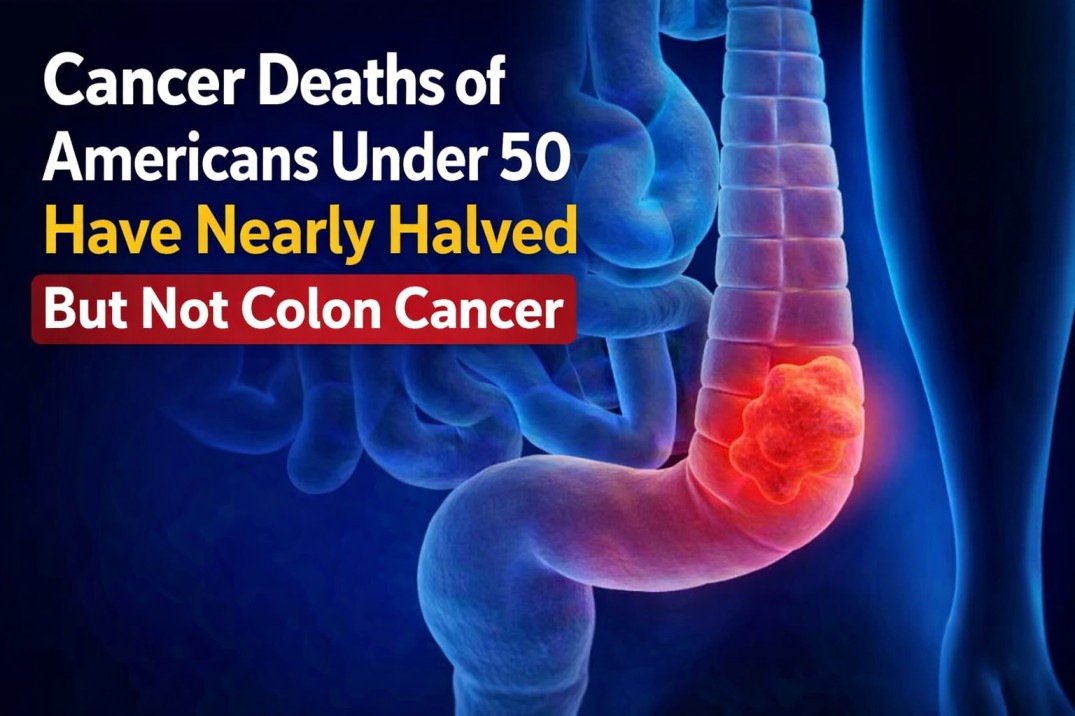
Over the past few decades, the United States has seen a major shift in cancer outcomes, especially among people under the age of 50. Thanks to medical innovation, early detection, and better awareness, cancer deaths in this younger age group have nearly been cut in half. This progress reflects years of research, public health efforts, and lifestyle changes that have helped save countless lives.
However, there is one important and worrying exception to this positive trend: colon cancer. While deaths from many cancers are declining, colon cancer cases and deaths among younger Americans are increasing. This unexpected rise has raised alarms among doctors and researchers, making colon cancer a growing public health concern.
Why Cancer Deaths Under 50 Are Declining
Cancer treatment and prevention have improved dramatically over the years. Several key factors have contributed to the sharp decline in cancer-related deaths among younger Americans.
Early Detection and Screening
One of the biggest reasons for improved survival rates is early detection. Screening tools such as mammograms for breast cancer, Pap smears and HPV testing for cervical cancer, and skin exams for melanoma help identify cancer at an early stage. Early diagnosis often means simpler treatment, fewer complications, and better outcomes.
Advances in Cancer Treatment
Modern cancer treatments are far more effective and personalized than in the past. Targeted therapies attack cancer cells directly, while immunotherapy helps the body’s immune system fight cancer naturally. Radiation therapy and chemotherapy have also become safer and more precise, reducing side effects and improving survival.
Decline in Smoking Rates
Smoking has long been linked to several deadly cancers, including lung, throat, and bladder cancer. Over the years, smoking rates among younger Americans have dropped significantly. This change alone has prevented thousands of cancer deaths and continues to play a major role in improving overall cancer statistics.
Increased Health Awareness
Today, people are more informed about cancer risks and symptoms than ever before. Health campaigns, digital media, and improved access to medical information have encouraged younger adults to seek medical help sooner instead of ignoring warning signs.
Together, these factors explain why cancer deaths among Americans under 50 have nearly halved. Yet colon cancer does not follow this encouraging pattern.
The Rising Threat of Colon Cancer in Younger Adults
Colon cancer, also known as colorectal cancer, affects the large intestine or rectum. For many years, it was considered a disease mainly affecting older adults. However, recent data shows a steady increase in colon cancer cases among people in their 30s and 40s—and even younger.
Why Is Colon Cancer Increasing?
Researchers are still studying the exact causes, but several lifestyle and environmental factors are believed to be contributing to the rise of colon cancer in younger Americans.
Poor Diet and Processed Foods
Modern diets often include high amounts of processed foods, sugary drinks, and red or processed meat. At the same time, fiber-rich foods such as fruits, vegetables, and whole grains are consumed less frequently. Low-fiber diets can negatively affect digestion and colon health, increasing cancer risk.
Obesity and Lack of Physical Activity
Obesity is a known risk factor for colon cancer. Many younger adults lead sedentary lifestyles due to desk jobs, screen time, and limited physical activity. Being overweight can lead to chronic inflammation and insulin resistance, both of which are linked to cancer development.
Changes in Gut Health
The gut microbiome—trillions of bacteria living in the digestive system—plays an important role in overall health. Poor diet, frequent antibiotic use, and lifestyle changes may disrupt gut bacteria, possibly increasing the risk of colon cancer.
Delayed Diagnosis in Young Patients
Because colon cancer is still widely associated with older age, symptoms in younger people are often overlooked or misdiagnosed. This delay can lead to diagnosis at a later stage, when treatment becomes more difficult and survival chances are lower.
Common Symptoms That Should Not Be Ignored
Colon cancer symptoms can be subtle, especially in the early stages. Younger adults should never ignore persistent digestive problems.
Common warning signs include:
- Blood in the stool
- Ongoing abdominal pain or cramping
- Changes in bowel habits, such as diarrhea or constipation
- Unexplained weight loss
- Fatigue or weakness
While these symptoms do not always indicate cancer, they should be evaluated by a healthcare professional if they persist.
Changes in Screening Guidelines
Due to rising colon cancer cases in younger adults, health organizations have updated screening recommendations. Many now suggest starting routine colon cancer screening at age 45 instead of 50 for people at average risk.
Screening methods such as colonoscopy and stool-based tests can detect precancerous polyps before they become cancer. Early screening makes colon cancer one of the most preventable and treatable forms of cancer.
How to Reduce Colon Cancer Risk
Although not all cases can be prevented, adopting healthier habits can significantly lower the risk of colon cancer.
Eat a Balanced, High-Fiber Diet
Eating more fruits, vegetables, whole grains, and legumes supports digestive health. Reducing processed foods and limiting red meat intake can also help protect the colon.
Stay Physically Active
Regular exercise helps maintain a healthy weight, improves digestion, and reduces inflammation. Even moderate physical activity can make a meaningful difference.
Know Your Family History
People with a family history of colon cancer may need earlier or more frequent screening. Sharing family medical history with a doctor is essential.
Take Symptoms Seriously
Age should never be a reason to ignore health concerns. Early medical attention can lead to faster diagnosis and better outcomes.
Conclusion
The dramatic decline in cancer deaths among Americans under 50 is a major public health success. Advances in screening, treatment, and prevention have saved many young lives and continue to improve outcomes.
However, the rising rates of colon cancer in younger adults highlight a serious gap in this progress. Increased awareness, earlier screening, and healthier lifestyle choices are key to reversing this trend. With continued research and proactive healthcare, there is hope that colon cancer deaths will eventually decline—bringing this cancer in line with the broader success seen in cancer prevention and treatment.